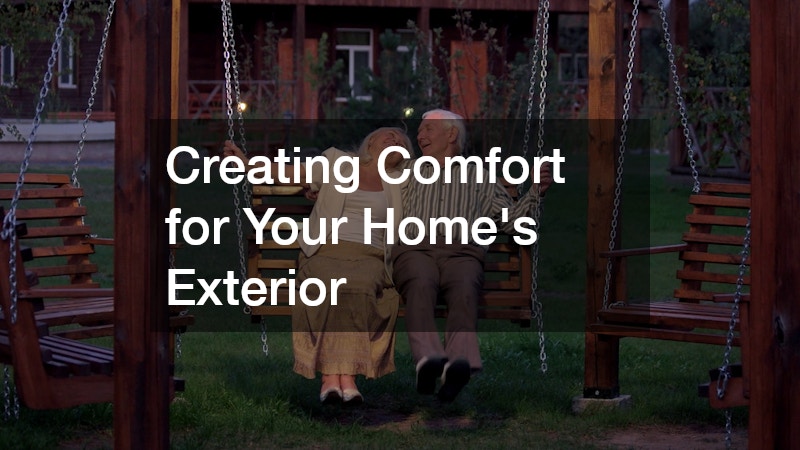
Your home doesn’t end at the back door. In modern living, the backyard is no longer just a patch of grass or an afterthought—it is an extension of your living room, a personal sanctuary, and a private retreat. When we think about home comfort, our minds naturally drift to plush sofas, climate-controlled rooms, and cozy lighting. However, the spaces surrounding your home hold just as much potential to elevate your lifestyle, reduce stress, and provide a direct connection to nature.
Many homeowners struggle to make their outdoor spaces feel as inviting, private, and functional as their interiors. Exposure to the elements, a lack of cohesive structure, pests, and high-maintenance upkeep can turn what should be an oasis into a source of frustration. True outdoor comfort requires a deliberate blend of design, practicality, and structural balance. By treating your exterior with the same design principles you apply to your interior, you can transform an underutilized yard into a high-comfort, low-stress environment that enhances your daily life and boosts your property’s value.
Establishing a Lush, Stress-Free Foundation
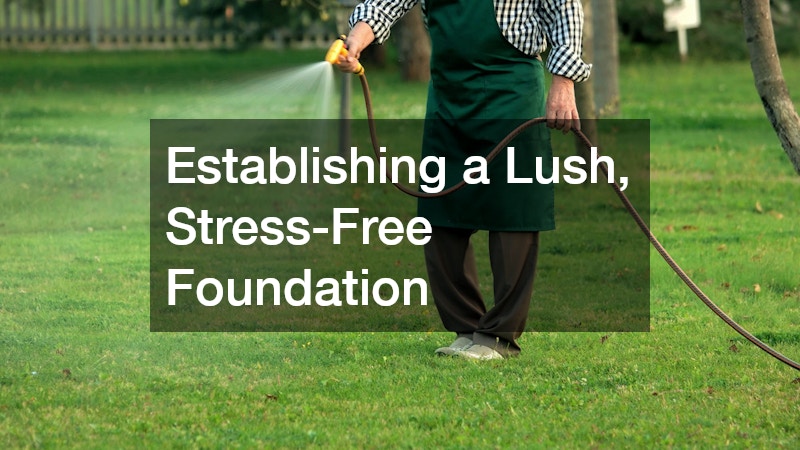
The foundation of outdoor comfort begins with the environment underfoot and the immediate visual landscape. Just as a plush carpet or polished hardwood sets the tone for an interior room, your lawn and garden beds establish the baseline sensory experience of your exterior. A chaotic, patchy, or overgrown yard creates visual noise, while a healthy, vibrant green footprint instantly signals relaxation.
Designing a Vibrant, Low-Maintenance Canvas
Achieving a comfortable lawn is about moving beyond the obsession with a chemically forced, golf-course-perfect monoculture. Instead, the focus should be on creating a functional, resilient, and healthy turf that feels great to walk on and requires less emergency intervention.
- Prioritize Soil Health: Healthy grass begins beneath the surface. Deep core aeration should be performed annually to alleviate soil compaction, allowing water, oxygen, and nutrients to reach the root zone.
- Overseed Strategically: Introduce drought-resistant and pest-resistant grass varieties that match your specific microclimate and sunlight levels.
- Set Proper Mowing Heights: Cutting grass too short stresses the root system and invites weeds. Keep your mower blade high to retain moisture and shade the soil.
For many busy homeowners, the physical demands of maintaining a pristine lawn can quickly erode the sense of comfort the space is meant to provide. Outsourcing the heavy lifting to professional lawn care services can reclaim your weekends, ensuring that fertilization, weed control, and seasonal turf management are handled precisely and efficiently.
Adding Texture and Color with Smart Planting Strategies
Once the green canvas is established, garden beds provide the opportunity to add depth, movement, and emotional resonance to the space. Color theory plays a massive role in outdoor comfort; while bright reds and yellows energize a space, cool blues, muted purples, and soft pinks actively promote psychological relaxation.
To avoid the exhausting cycle of buying, planting, and digging up annual flowers every single year, base your garden design around hardy perennials that return reliably each spring. Selecting varieties native to your local hardiness zone ensures that these plants possess natural defenses against local pests and weather extremes, minimizing the need for constant watering and chemical fertilizers.
When arranging your beds, employ a layered approach to create a cozy, “nested” feeling:
- Background Layer: Tall shrubs or ornamental grasses that create a sense of enclosure and privacy.
- Mid-ground Layer: Medium-height flowering plants and structural perennials that provide consistent color throughout the summer.
- Foreground Layer: Low-growing ground covers or delicate borders that soften the hard edges where the garden meets the lawn or walkways.
Crafting the Footprint for Relaxation and Flow
A comfortable yard requires structure. Without defined areas, a large yard can feel exposed and aimless, while a small yard can feel cluttered. By creating clear architectural zones, you establish an intuitive flow that guides movement and makes the outdoor environment feel as organized and intentional as a well-planned indoor floor plan.
Defining Zones for Dining, Lounging, and Play
Think of your outdoor space in terms of “rooms.” You wouldn’t put your dining table in the middle of your bathroom, and similarly, your outdoor grill shouldn’t sit awkwardly in the middle of a walkway. Creating distinct zones allows multiple activities to occur simultaneously without conflict.
- The Culinary Zone: Positioned close to the house for easy kitchen access, containing the grill, prep surfaces, and outdoor dining furniture.
- The Social Zone: A conversational grouping of deep-seated chairs, sofas, or a fire feature designed for extended relaxation.
- The Recreational Zone: An open patch of turf or a designated play area kept free of obstructions for children, pets, or lawn games.
To give these zones permanence and stability, the underlying architecture must be flawless. Relying on professional hardscaping services guarantees that your retaining walls, walkways, and foundational footprints are engineered correctly. Proper grading, substrate compaction, and drainage management prevent stones from shifting, water from pooling, and structures from cracking over time, saving you from costly future repairs.
Designing Seamless Transition Spaces
The psychological journey from inside the house to the deep backyard should feel like a natural progression rather than a jarring leap. The materials you choose for your primary gathering footprints dictate how comfortable guests feel staying in those spaces for hours at a time.
When planning your primary gathering spaces, building custom patios using high-quality materials like natural stone, bluestone, or interlocking pavers offers unmatched versatility and longevity. Unlike raised wooden decks that require constant staining and can splinter underfoot, a well-constructed ground-level patio creates an intimate connection with the surrounding landscape.
To maximize the comfort of these foundational areas, consider incorporating built-in seating walls along the perimeter. This not only defines the edge of the room but also provides overflow seating for large gatherings without cluttering the area with excess furniture. Ensure that walkways connecting these zones are wide enough—ideally four feet—for two people to walk abreast comfortably, enhancing the natural flow of movement across your property.
Mastering Climate Control and All-Weather Living
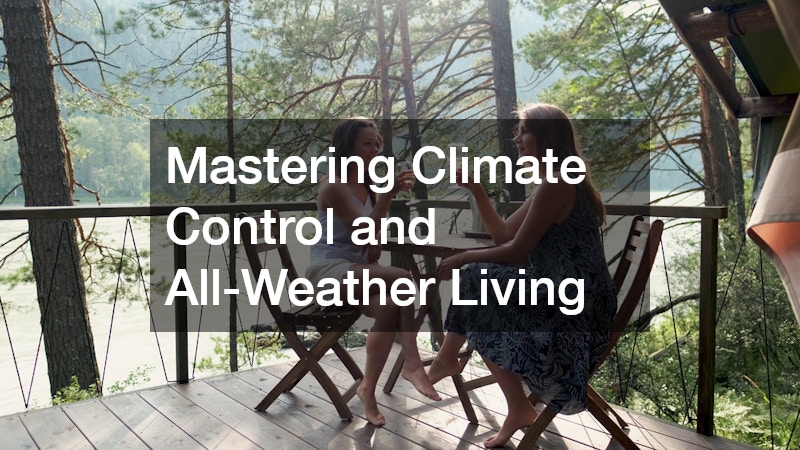
The greatest enemy of outdoor comfort is unpredictable weather. If a space is too hot in July or plagued by mosquitoes in August, it remains useless for a significant portion of the year. True exterior comfort requires passive and active climate interventions that protect you from the elements.
Shielding Your Space from the Midday Heat
Direct sunlight can quickly turn a beautiful afternoon into an uncomfortable, sweaty ordeal. While trees provide excellent long-term shade solutions, immediate and adjustable relief is necessary for high-use seating areas.
Installing a retractable awning over your primary windows or seating area offers dynamic control over your environment. On scorching summer afternoons, extending the fabric can lower the ambient temperature beneath it by up to twenty degrees, while also preventing UV rays from fading your outdoor fabrics. On overcast or cooler days, rolling it back allows natural light to flood into both your yard and your home’s interior.
When choosing shades, look for high-density, solution-dyed acrylic fabrics that resist mold, mildew, and fading, ensuring the structure looks polished and clean year after year.
Creating a Bug-Free, Multi-Season Sanctuary
For many regions, the arrival of beautiful warm weather coincides with the emergence of biting insects. Nuisance pests can ruin an outdoor dinner party in minutes, driving everyone back inside.
Building dedicated screen porch enclosures provides the ultimate bridge between indoor security and outdoor freedom. These structures allow you to experience the sights, smells, and cool breezes of nature without the constant annoyance of mosquitoes, flies, or wasps. To elevate the comfort within these enclosed spaces, focus on integrated amenities:
- Air Movement: Install a damp-rated outdoor ceiling fan to keep air circulating on humid, stagnant days.
- Atmosphere: String low-voltage LED bistro lights across the ceiling beams to create a warm, inviting evening glow.
- Thermal Comfort: Mount radiant infrared heaters to the walls or ceiling to take the chill out of early spring mornings and late autumn nights, effectively extending your outdoor season by several months.
Elevating Curb Appeal and the Arrival Experience

Comfort is not reserved solely for the backyard. The emotional transition to a state of relaxation should begin the very moment you or your guests pull up to the property. A messy, cracked, or poorly lit front entrance creates subconscious stress, whereas a smooth, beautifully framed arrival experience immediately sets a welcoming, hospitable tone.
Upgrading Your Arrival and Parking Experience
The driveway and front walkway are the heaviest-use elements of any residential landscape. When these surfaces are deteriorating, uneven, or cramped, they create daily friction—whether it is stepping into a puddle, navigating cracked stone, or struggling to park multiple vehicles.
When looking to modernize your home’s point of entry, opting for concrete driveways provides a clean, bright, and highly durable surface. Concrete offers sharp, modern lines that frame a house beautifully, and it can be stamped or stained to mimic premium stone materials while offering a perfectly level surface for walking, parking, and playing.
For homeowners with exceptionally long driveways, winding country entries, or expansive parking courtyards, utilizing professional asphalt paving services is often the ideal solution. High-quality asphalt provides a flexible, continuous, jet-black surface that contrasts beautifully with green lawns and absorbs solar heat in the winter, accelerating snowmelt and preventing dangerous ice patches from forming.
Framing Your Property with Living Architecture
A driveway should never look like an isolated strip of industrial material dropped onto a residential lot. To make the front of your home feel integrated and comforting, the hard surfaces must be intentionally softened by living elements.
Hiring an experienced landscaping service ensures that the transition between your parking areas and your home’s front door is handled gracefully. Professional designers can frame your driveway with low-maintenance ornamental grasses, install welcoming foundation plantings that hide ugly concrete basements, and select entry trees that scale down the height of a two-story home, making the architecture feel grounded, proportional, and inherently cozy.
Safeguarding Privacy and Natural Harmony

It is impossible to feel truly relaxed if you feel exposed to the eyes of passersby or neighbors. Privacy is an essential pillar of psychological comfort. However, building tall, stark stockade fences can sometimes make a yard feel clinical or claustrophobic. The most comforting environments utilize natural elements to build soft boundaries.
Cultivating Living Walls for Ultimate Privacy
Using green infrastructure to create boundaries provides a double benefit: it blocks unwanted views while introducing texture, movement, and wildlife habitat to your yard.
- Evergreen Screens: Planting a dense row of arborvitae, cedar, or holly creates a year-round visual barrier that never drops its leaves in winter.
- Deciduous Buffer Layers: Mixing in flowering shrubs like viburnum or hydrangea adds seasonal interest and softens the density of an evergreen wall.
- Acoustic Dampening: Dense lines of vegetation naturally absorb and scatter high-frequency sound waves, helping to mute the noise of nearby traffic, lawnmowers, or noisy neighborhoods.
Maintaining Safety and Light Infiltration
While privacy is vital, allowing a yard to become entirely overgrown creates a dark, gloomy environment that feels oppressive rather than comforting. Furthermore, large, unmaintained trees present serious safety hazards during severe weather.
Proper canopy management is essential to keep your outdoor spaces bright and safe. Enlisting professional tree services to evaluate the health of your mature trees ensures that dangerous, dead limbs are safely removed before they can crash down onto your roof, patio, or power lines.
Furthermore, expert arborists can perform targeted canopy thinning. By selectively removing specific interior branches, they allow dappled sunlight to filter down to the lawn and garden beds below. This practice eliminates heavy, dark shadows, improves air circulation across the yard to reduce mold and mildew growth, and keeps your property’s oldest, most valuable natural assets healthy and beautiful for generations to follow.
Creating a comfortable exterior is a holistic journey that transforms your property from a simple piece of real estate into a deep source of personal well-being. By thoughtfully addressing each layer of your outdoor environment—from the health of the ground beneath your feet to the structural flow of your gathering spaces, and from climate protection to the psychological safety of privacy—you build a resilient sanctuary that serves your lifestyle daily.
True exterior comfort is not achieved overnight, nor does it require doing everything at once. The most successful properties are developed in deliberate phases. Look at your yard this weekend through a fresh lens. Identify the single biggest barrier to your enjoyment right now—whether it is a lack of shade, an uninviting entryway, a bug problem, or a deteriorating lawn—and take that initial step toward reclaiming your outdoor space. The investment you make in your home’s exterior will return dividends in peace of mind, beautiful memories, and a profound sense of place for years to come.