Your backyard shapes your mood more than you might realize. A cracked driveway, a sluggish drain, or a patchy lawn can quietly chip away at the sense of calm your outdoor space should provide. The good news is that most of these irritations are fixable with a little know-how and the right help at the right time. This guide walks through the often-overlooked backyard fixes that make the biggest difference in everyday comfort.
Keep Your Lawn Consistently Healthy and Green
A patchy, weed-choked lawn is one of the first things you notice every time you step outside, and it sets the tone for how the whole yard feels. Consistent mowing height, proper watering schedules, and seasonal fertilization keep grass thick enough to crowd out weeds naturally. Most grass types do best when kept between 2.5 and 4 inches tall, since cutting too short stresses the roots and opens the door for crabgrass and dandelions to move in.
Watering deeply but infrequently—about an inch per week, including rainfall—encourages roots to grow deeper and makes the lawn more resilient during dry spells. Fertilizing in early spring and again in fall gives grass the nutrients it needs to recover from summer heat and winter dormancy without encouraging excessive, weak growth.
Many homeowners find that partnering with lawn care companies saves hours of trial and error, especially when soil testing and treatment plans are involved. A professional soil test can reveal pH imbalances or nutrient deficiencies that aren’t obvious just by looking at the grass, and correcting those issues often makes a bigger difference than any amount of extra mowing or watering.
A well-maintained lawn also reduces mud, pests, and uneven patches that make the yard feel neglected. Beyond the practical upkeep, a thick and even lawn simply feels better underfoot and gives every other backyard improvement a cleaner, more finished backdrop to stand out against.
-
Aerate compacted soil once or twice a year, ideally in early spring or fall, using a core aerator that pulls plugs rather than just poking holes
-
Water deeply but infrequently, about 1 inch per week in one or two sessions, to encourage roots to grow deep instead of staying near the surface
-
Overseed bare patches in early fall when soil is still warm but nights are cooling, pressing seed lightly into the soil for better contact
-
Test soil pH every couple of years with a simple home kit; most lawns thrive between 6.0 and 7.0, and amending with lime or sulfur can correct imbalances
-
Mow at the right height for your grass type (usually 2.5 to 3.5 inches) and avoid cutting more than one-third of the blade at once to reduce stress
Repair Cracked and Aging Driveway Surfaces
A crumbling driveway is more than an eyesore; it can affect your car’s tires, create tripping hazards, and let water seep into the base layer, causing bigger problems over time. Small cracks widen quickly once freeze-thaw cycles get involved, so catching them early matters. Even a quarter-inch gap can double in size after a single harsh winter, as trapped water expands and contracts with the temperature swings.
The fix depends on the severity. Hairline cracks under a quarter-inch can often be sealed with a simple rubberized crack filler you apply yourself, while wider cracks, potholes, or crumbling edges usually call for professional patching before any sealant goes down.
An asphalt sealcoating service can extend the life of your driveway by several years, protecting it from UV damage, oil stains, and moisture infiltration. Beyond looks, sealcoating restores the binder that holds asphalt aggregate together, which is what actually keeps the surface from raveling apart under regular traffic. Most jobs cost a few hundred dollars depending on square footage, a fraction of the several thousand a full repaving project typically runs.
Scheduling this maintenance every two to three years is far cheaper than a full repaving project. Pick a stretch of warm, dry weather for the work, since sealcoat needs 24 to 48 hours to cure properly, and keep vehicles off the surface until it fully sets.
-
Fill hairline cracks before winter using a flexible asphalt or concrete crack filler to prevent water from seeping in and expanding them as it freezes
-
Reseal every two to three years depending on climate, with hotter or freeze-thaw regions often needing sealing closer to the two-year mark
-
Keep heavy vehicles off freshly sealed surfaces for 24 to 48 hours, and avoid foot traffic for at least a few hours to prevent tracking sealant indoors
-
Watch for pooling water, a sign of drainage issues beneath the surface that can undermine the base and lead to sinking or larger cracks
-
Check for edge crumbling or potholes each spring, since these often signal the driveway needs patching before a full reseal
-
Consider a professional inspection every few years if cracks keep reappearing in the same spot, as this may point to a deeper structural issue
Address Slow Drains and Sewer Line Backups
Nothing disrupts backyard enjoyment faster than a sewage smell drifting from a slow drain or a soggy patch near the yard’s low point. Tree roots, grease buildup, and aging pipes are common culprits behind sluggish flow. A sewer cleaning company can use hydro-jetting or camera inspections to pinpoint blockages before they turn into costly backups. Addressing these issues early protects both your landscaping and your home’s foundation from water damage.
-
Watch for gurgling sounds in drains as an early warning sign
-
Avoid planting trees with aggressive root systems near sewer lines
-
Schedule a camera inspection if backups happen more than once a year
-
Keep grease and wipes out of drains to reduce clog risk
Schedule Routine Septic System Maintenance
If your property relies on a septic system, ignoring it’s one of the fastest ways to turn a peaceful backyard into a hazardous mess. Solid waste builds up in the tank over time, and once it overflows into the drain field, repairs get expensive and disruptive. A backed-up system can mean soggy patches of lawn, gurgling drains inside the house, or worse, sewage surfacing near where your kids and pets play.
Regular septic tank pumping every three to five years keeps the system working efficiently and prevents unpleasant surprises like standing water or odors near the drain field. The exact interval depends on tank size, household size, and water usage, so a family of five with a 1,000-gallon tank may need pumping closer to the three-year mark, while smaller households can often stretch toward five.
Beyond pumping, it helps to have a professional inspect the baffles, effluent filter, and drain field during each visit, since small clogs are far cheaper to fix than a collapsed field. Keeping a simple log of pump dates and inspection notes also makes it easier to track wear over time and plan ahead financially. Homeowners who stay ahead of this maintenance rarely deal with emergency situations, and they also protect their property value, since a failing septic system is a major red flag for future buyers.
-
Pump the tank every three to five years for average household use, or more often if you have a garbage disposal or a large family
-
Avoid parking, driving, or building structures over the drain field, since compacted soil restricts drainage and can crack pipes
-
Watch for unusually lush or soggy grass patches over the tank or field, a common sign of leakage
-
Notice slow drains, gurgling pipes, or sewage odors indoors, which often signal a backup before visible surface issues appear
-
Keep a maintenance log to track pumping and inspection dates, noting the technician, tank condition, and any repairs made
-
Schedule a professional inspection every one to three years to check baffles, effluent filters, and sludge levels
-
Use water efficiently and space out laundry loads to avoid overwhelming the system with sudden high volume
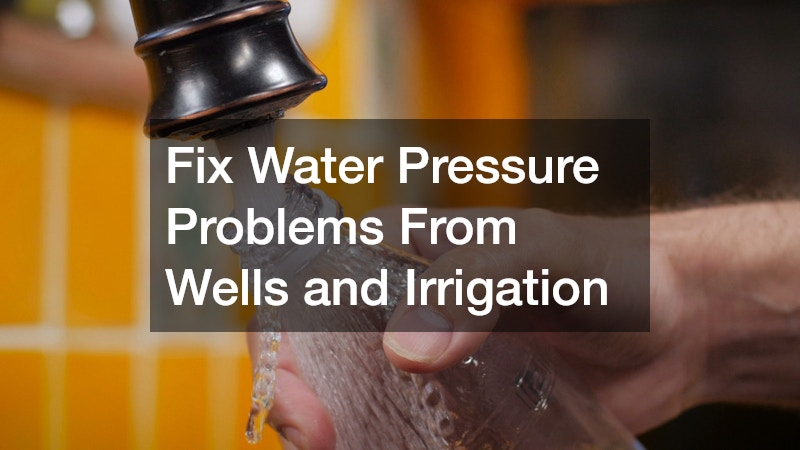
Fix Water Pressure Problems From Wells and Irrigation
Low water pressure outdoors makes everything from washing the car to watering the garden feel like a chore. Often the culprit is a failing well pump, a clogged pressure tank, or worn-out irrigation valves. Calling a local water pump service at the first sign of trouble, like sputtering faucets or inconsistent sprinkler coverage, can prevent a complete pump failure during peak summer months. Regular pressure tank checks also help extend the lifespan of the entire system.
-
Listen for pumps cycling on and off rapidly, a sign of tank issues
-
Check irrigation valves each spring before the watering season starts
-
Monitor pressure gauges if your system has one installed
-
Address pump noise or vibration changes promptly
Clear Out Yard Debris and Renovation Waste
Backyard projects, whether it’s a deck rebuild or a major landscaping overhaul, generate more debris than most people expect. Piles of old lumber, torn-up sod, and broken concrete quickly make a yard feel like a construction zone instead of a retreat. Renting one of the many dumpster rentals available in most areas gives you a single place to toss debris instead of making dozens of trips to the local dump. This keeps the project contained and makes the eventual reveal of your finished space much more satisfying.
-
Choose a dumpster size based on project scope, not just guesswork
-
Keep hazardous materials separate from general debris
-
Place the dumpster on a protective surface to avoid driveway damage
-
Schedule pickup promptly once the project wraps up
Handle Excess Yard Waste and Household Junk
Beyond big renovation debris, everyday yard maintenance produces grass clippings, branches, and old furniture that pile up faster than expected. Letting this waste accumulate attracts pests and makes outdoor spaces feel cluttered rather than relaxing. A reliable disposal service can handle recurring pickups so yard waste never becomes a standing eyesore near the fence line. Setting a regular schedule, rather than waiting until the pile is overwhelming, keeps the whole property looking tidier year-round.
-
Bag leaves and clippings weekly during peak growing season
-
Break down branches to meet size limits for pickup
-
Separate recyclable materials from general yard waste
-
Ask about seasonal bulk pickup options for larger cleanouts
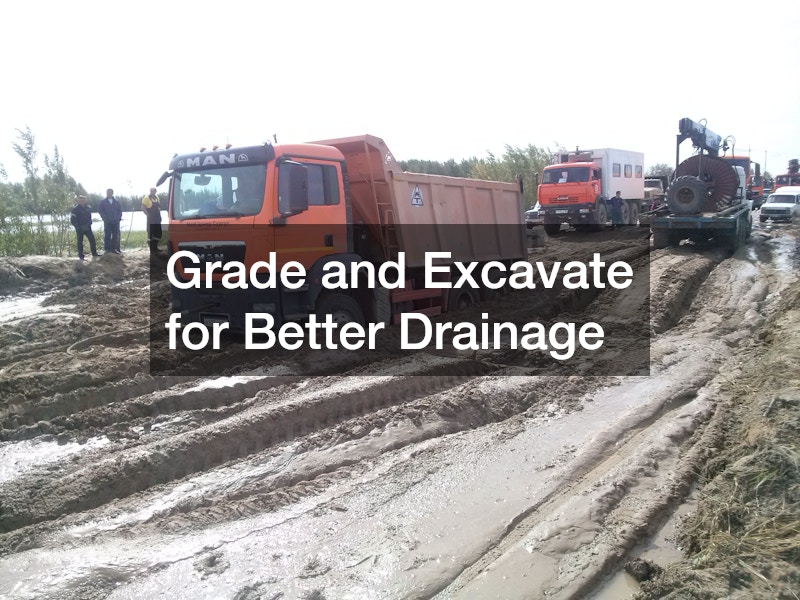
Grade and Excavate for Better Drainage
Standing water after every rainstorm is a sign that your yard’s grading isn’t doing its job. Water pooling near the foundation or in low spots not only kills grass but can eventually seep into basements and crawl spaces. Bringing in excavating companies to regrade problem areas or install French drains solves the issue at its source rather than masking it with temporary fixes. This kind of structural correction pays off by protecting both your landscaping investment and your home’s foundation.
-
Grade soil to slope away from the house at a gentle angle
-
Install French drains in persistently soggy areas
-
Add gravel beds under downspouts to disperse runoff
-
Consult a professional before major regrading near property lines
Keep Outdoor Comfort Systems Running Smoothly
A backyard patio or deck loses its appeal fast if the adjoining living space is stuffy or overheated. Since so much backyard enjoyment happens right off the back door, a failing HVAC system indoors affects how often you actually use your outdoor space. Timely air conditioning repair keeps indoor comfort consistent, which in turn makes stepping outside for a few minutes, rather than retreating to a cool room, feel far more appealing. Regular filter changes and seasonal tune-ups reduce the chance of a mid-summer breakdown.
-
Change air filters every one to three months during peak season
-
Clean outdoor condenser units of leaves and debris regularly
-
Schedule a tune-up each spring before heavy use begins
-
Listen for unusual noises, an early sign of mechanical trouble
Source Quality Materials for Backyard Projects
Whether you’re building a fence, laying a new patio, or constructing a raised garden bed, the quality of materials directly affects how long your project lasts. Cutting corners on lumber, pavers, or fasteners often leads to early replacement and wasted money. Working with a trusted builders supply company gives you access to weather-resistant materials and knowledgeable staff who can recommend the right products for your climate and project type. Investing a little more upfront in quality materials usually saves significant repair costs down the road.
-
Choose pressure-treated lumber for ground-contact projects
-
Ask about warranty coverage on pavers and decking materials
-
Compare material grades before committing to a large order
-
Request delivery for bulk orders to save time and vehicle wear
Small, consistent maintenance across your lawn, drainage, plumbing, and outdoor comfort systems adds up to a backyard that genuinely improves your day-to-day life. Rather than waiting for a major failure, tackle these fixes proactively and lean on trusted professionals when a project is beyond a weekend job. Your future self, relaxing on a well-kept patio with reliable water pressure and clean air conditioning humming inside, will thank you for starting now.