Professional pest control protects homes, businesses, and public spaces from infestations that threaten health and property. Pests like rodents, insects, and wildlife can damage structures, contaminate food, and spread disease if unmanaged. While some try basic pest treatments independently, professional services offer a more thorough approach.
Pest control experts provide effective and long-lasting solutions with specialized knowledge, tools, and safety procedures.
What Methods Do Professionals Use for Pest Control?
Inspection Techniques
Professional services start with detailed inspections of properties to find pest activity, nesting sites, and entry points. This includes checking basements, crawl spaces, attics, and structural gaps. Inspection aims to understand infestation type and extent, allowing for a targeted treatment plan.
Chemical Treatments
Chemical treatments involve applying regulated pesticides in measured amounts to eliminate pests. Professionals apply chemicals where necessary, minimizing risks to people and pets. Modern pesticides target specific pests and reduce environmental impact. When applied correctly, they provide quick results.
Biological Control
Biological control uses natural predators, parasites, or pathogens to manage pests. It supports natural ecosystem balance, reducing reliance on chemical treatments. This sustainable approach is useful for long-term prevention.
Physical Control Measures
Physical methods involve mechanical tools and barriers to prevent or capture pests. Traps and barriers like screens or sealing materials effectively reduce pest access indoors. Mechanical controls include removing nests and installing deterrents, limiting pest access to food and shelter.
Integrated Pest Management
IPM is a comprehensive strategy combining inspection, prevention, monitoring, and multiple treatment techniques. It minimizes environmental harm, emphasizing long-term solutions instead of quick fixes.
How Do Professionals Identify Different Types of Pests?
Visual Identification
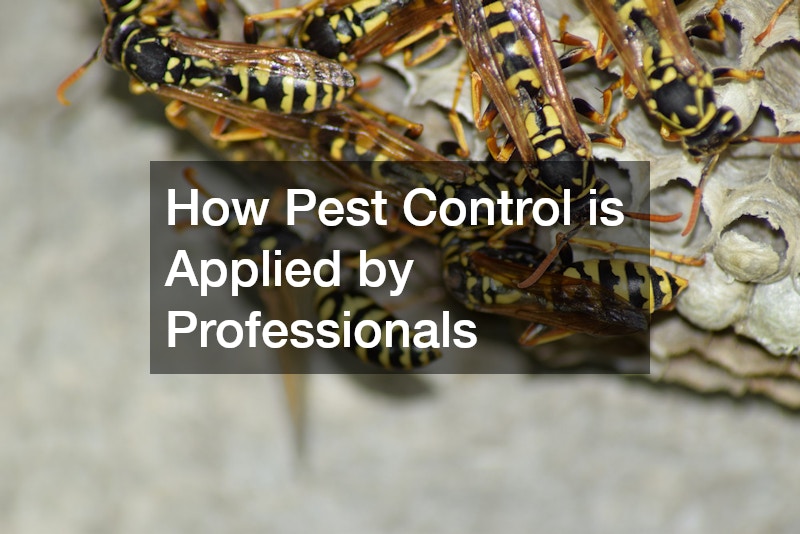
Technicians use visual identification to examine pest characteristics for species determination. Correct identification ensures effective treatment plans tailored to specific pests.
Environmental Indicators
Professionals look for signs like droppings, gnaw marks, or nests indicating pest presence. These clues help determine pest type and severity, essential for treatment and prevention.
Technological Tools
Technology aids pest identification and monitoring. Professionals use tools like moisture meters, infrared cameras, and digital systems to detect hidden infestations. Smart traps and monitoring devices improve pest management accuracy.
Pest Behavior Study
Studying feeding habits, nesting patterns, and movement helps identify pests and plan treatments. Understanding behavior also helps prevent future infestations by recognizing and altering attractive patterns.
Expert Consultation
Pest identification may require consultation with specialists. Experts assist with uncommon species or complex infestations, ensuring accurate diagnoses and high pest management standards.
What Safety Measures Do Professionals Take?
Personal Protective Equipment
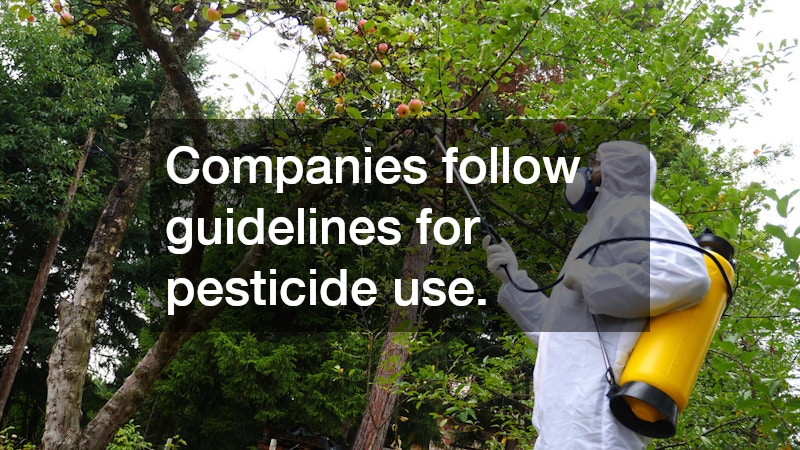
Safety is crucial, especially when handling chemicals. Technicians wear PPE like gloves and respirators to protect themselves and prevent contamination.
Chemical Safety Guidelines
Companies follow guidelines for pesticide use. Products are selected based on regulatory approval, applied accurately, and stored or disposed of responsibly.
Environmental Protection
Professionals take precautions to prevent chemicals from impacting ecosystems. Many choose eco-friendly or low-toxicity products to balance effective pest control and environmental protection.
Regulation Compliance
Compliance with regulations assures safe pesticide use and practices. Licensing ensures trained technicians who maintain professional standards.
Risk Assessment Procedures
Treatments begin with risk assessments, evaluating potential hazards from infestations, treatments, and property conditions. This allows for safe and effective treatment plans.
What Are the Costs Associated with Professional Pest Control?
Factors Influencing Cost
Costs depend on pest type, infestation severity, and property size. Specialized treatments and service frequency also affect pricing.
Cost-Benefit Analysis
Professional pest control may seem costly but offers long-term value by preventing damage and expensive repairs. It provides lasting protection and peace of mind.
Long-term Savings
Preventative services reduce recurring infestations. Early problem identification saves costs compared to later severe infestations. Proactive approaches are cost-effective over time.
Budgeting for Pest Control
Flexible service plans allow for budgeting ongoing protection. Routine plans include monitoring and follow-up treatments, preventing unexpected expenses.
Insurance and Warranties
Some services offer warranties, providing coverage for re-treatments if pests return. Understanding these options helps property owners make informed decisions.
How Often Should Pest Control Services Be Performed?
Seasonal Factors
Pest activity changes seasonally, influencing service frequency. Routine treatments during peak seasons address pests before infestations grow.
Property Assessment Frequency
Regular inspections are crucial for pest management. Inspections help identify early pest activity, allowing for quick solutions.
Signs That Indicate a Service Is Due
Unusual pest sightings and signs suggest a need for pest control services. Prompt action prevents spreading and further damage.
Customized Service Plans
Tailored plans ensure treatments match property and pest type, improving control results. Local pests are targeted for improved outcomes.
Long-term Pest Prevention
Consistent monitoring and prevention strategies reduce recurrence risks. Structural repairs and sanitation improvements are essential.
Professional pest control integrates inspection, identification, treatment, and prevention to protect properties from harmful pests. Techniques like chemical treatments and IPM provide reliable, lasting results. Ongoing services prevent future issues, maintaining safe, pest-free environments and offering peace of mind.